What Year-Round Drain Cleaning Maintenance Really Involves in NJ Homes
Plumb-Rite Plumbing has served New Jersey homes for over forty years, and one of the most common questions we hear is how to properly maintain household drains. Many homeowners believe that pouring a store-bought liquid cleaner down the drain every few months is enough, but this approach leaves many hidden problems untouched.
The reality is that drain cleaning maintenance isn’t a one-and-done task. True year-round drain care requires a balance of routine inspections, professional cleaning, and day-to-day habits that prevent costly clogs and water damage. This blog shares what most NJ homeowners overlook—and how experienced plumbers actually maintain healthy drains all year.
Here’s what we’ll go through:
1. The difference between DIY cleaning and real maintenance
2. What year-round drain care really involves
3. Professional techniques and technology
4. How New Jersey’s plumbing conditions affect your drains
5. Common myths and mistakes
What Most Homeowners Get Wrong About Drain Care
Basic drain cleaning—like using chemical cleaners or snaking out a single blockage—may give you temporary relief. Still, it rarely addresses underlying buildup or chronic slowdowns. In New Jersey, mineral-rich water, aging copper or cast-iron pipes, and organic debris often form stubborn deposits far below the immediate surface of the drain. Commercial products might knock out grease close to the opening but won’t touch the thick, sticky layers forming farther in the line.
Routine, superficial cleaning also won’t prevent issues caused by tree roots, shifting soil, or pipe corrosion, all of which are common in older NJ homes. Regular maintenance goes beyond reacting to a clog; it’s about stopping problems before they start.
What Year-Round Drain Maintenance Actually Looks Like
Unlike an emergency call after a backup, maintaining your drains means sticking to a schedule and taking steps every season. Here’s what the process usually involves:
● Seasonal Inspections: A thorough visual and water flow check at least twice a year. This helps spot slow drains, minor leaks, and early-stage buildup.
● Professional Cleaning: Beyond your own routine, schedule a proper drain cleaning once a year or after heavy use—especially if your family grows, you entertain often, or you notice slower drainage.
● Hydro-Jetting: For pipes showing stubborn blockages or early root invasion, plumbers often recommend hydro-jetting. This sends a high-pressure water stream through the pipes, clearing away buildup without damaging them.
● Safe Habits: Proper disposal of grease, food scraps, wipes, and hair is a critical part of maintenance. Even with regular service, putting the wrong things down the drain will accelerate buildup and increase risk.
Tools, Technology, and Trade Tips from Pros
A professional drain cleaning appointment in New Jersey is more than just running a snake down your kitchen sink. Many service calls involve:
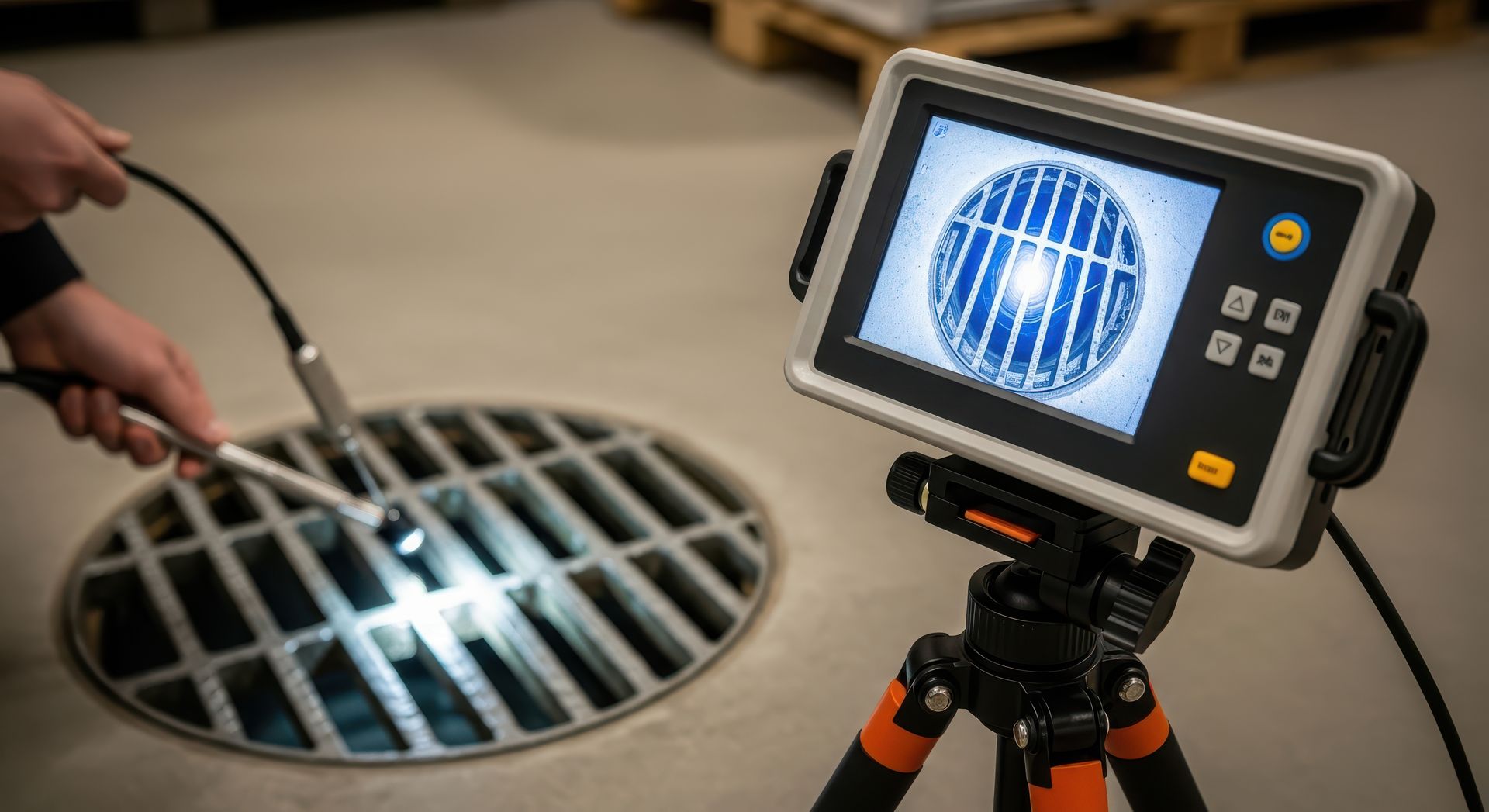
● Video Camera Inspections: Special cameras are snaked through drains to pinpoint buildup, find hidden leaks, and catch tree root intrusions.
● Hydro-Jetting: As noted, this method goes further than snaking or basic chemical treatments—it cleans pipe walls and is especially valuable given the hard water and soil conditions in Central New Jersey.
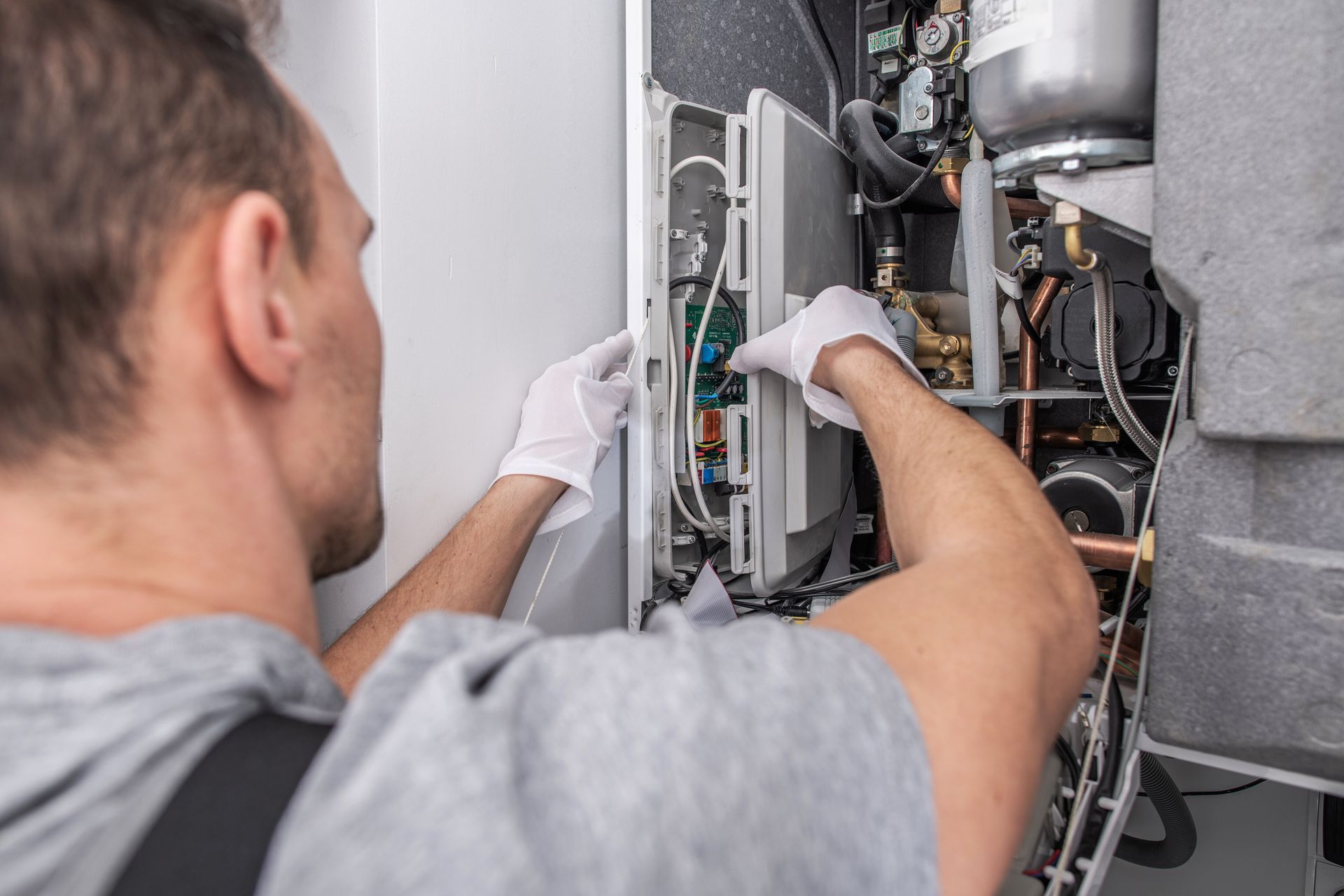
● Pipe Repair: If an inspection finds damaged or corroded pipes, plumbers often spot-repair right away. Early repair prevents pipe breaks, leaks, and potential water damage in basements and behind walls.
Local Plumbing Factors Every NJ Homeowner Should Know
Drain problems in New Jersey aren’t just random accidents. The region’s aging plumbing infrastructure, prevalent clay and older cast-iron drain pipes, and a mix of urban and suburban landscaping contribute to recurring issues with roots, silt, and corrosion. Seasonal weather shifts—like freezing and thawing—can aggravate small leaks or cracks, making routine maintenance much more important than in newer areas.
Many central NJ homes in Middlesex, Monmouth, Ocean, Union, and Somerset counties still have legacy systems prone to slow drain issues after a decade or more. Even newer homes can suffer from builder-grade traps and plumbing shortcuts that stress the system over time.
Common Myths and Mistakes (and What Really Works)
A few common misconceptions often set NJ homeowners up for bigger headaches:
● “If it’s not clogged, it doesn’t need attention.” In reality, tiny buildup multiplies over time, leading to major blockages when you least expect it.
● “Chemical cleaners solve everything.” Many over-the-counter chemicals actually weaken older pipes (especially metal or clay), making leaks more likely.
● “My home is new, so maintenance can wait.” Poor initial installation or cheap materials can cause issues in even the newest homes.
Instead, combine smart habits with a proactive schedule—and always use a trusted local plumber to handle technology-driven tasks like camera inspections and hydro-jetting.
Keeping Drains Healthy All Year Round
Maintenance is less about reacting to emergencies and more about keeping your whole system in working order—all year, every year. A wise approach in New Jersey involves twice-yearly checks and at least one professional cleaning, especially for homes with older lines or specific problem patterns.
If you haven’t had your drains professionally checked in over a year, or if you’re unsure about the health of your pipes, don’t wait for the next clog to find out.
Share This Blog