What Causes Repeated Sewer Ejector Pump Failures in Basements?
If your basement fixtures in Edison have needed more than one ejector pump service in recent years, there’s more going on than just bad luck. Plumb-Rite Plumbing has seen firsthand how persistent ejector pump failures can disrupt a home’s comfort and lead to costly cleanups. The reality is, repeated issues almost always point to problems deeper than the pump itself—often tied to installation, improper sizing, or hidden blockages.
Homeowners may be tempted to keep replacing or repairing pumps without getting to the true cause. But without a careful assessment, you’re likely to face the same headache again and again. This article focuses on why sewer ejector pumps fail in Edison basements, what causes repeat issues, and what you can do to break the cycle for good.
What We Cover:
- Why Sewer Ejector Pumps Matter for Edison Basements
- The Usual Culprits: Why Does My Basement Ejector Pump Keep Failing?
- Installation and Sizing Mistakes
- Hidden Blockages and System Strain
- Why DIY Fixes Often Backfire
- Steps to Break the Failure Cycle
Why Sewer Ejector Pumps Matter for Edison Basements
Edison basements are often built below the level of the main sewer line—which means waste from lower-level bathrooms and laundry can’t simply flow out by gravity. Sewer ejector pumps are essential workhorses in these setups, lifting water and waste upward into the main line. When these pumps malfunction, the risks aren’t just about inconvenience. Backups can create sanitation hazards, property damage, and even mold growth in finished spaces.
From a professional standpoint, consistent ejector pump failures signal a system problem, not just a single bad part.
The Usual Culprits: Why Does My Basement Ejector Pump Keep Failing?
Customers often ask: Why does my basement ejector pump keep failing? The answer usually isn’t just wear-and-tear. Common root causes include:
• Incorrect pump sizing—if your pump is undersized for the volume it handles, it will overwork and burn out faster.
• Improper installation—incorrectly routed discharge lines or venting issues add unnecessary stress to the system.
• High solids content—excessive paper, wipes, or foreign objects overwhelm pump capabilities.
• Short-cycling—frequent on/off cycling puts excess strain on motor components.
Edison homes with finished basements or increased water load (from appliances or extra baths) especially need the right pump matched to their usage.
→ A quick tip to remember: Invest in a proper load calculation before replacing your next ejector pump to dramatically extend its lifespan.
Installation and Sizing Mistakes
Many pump failures begin at installation—often because of mismatched equipment. A pump too small for your home’s volume will struggle and overheat, while oversized units never run long enough to self-clean, leading to buildup and jams. Installers unfamiliar with Edison’s typical basement conditions may also shortcut venting or forget essential check valves.
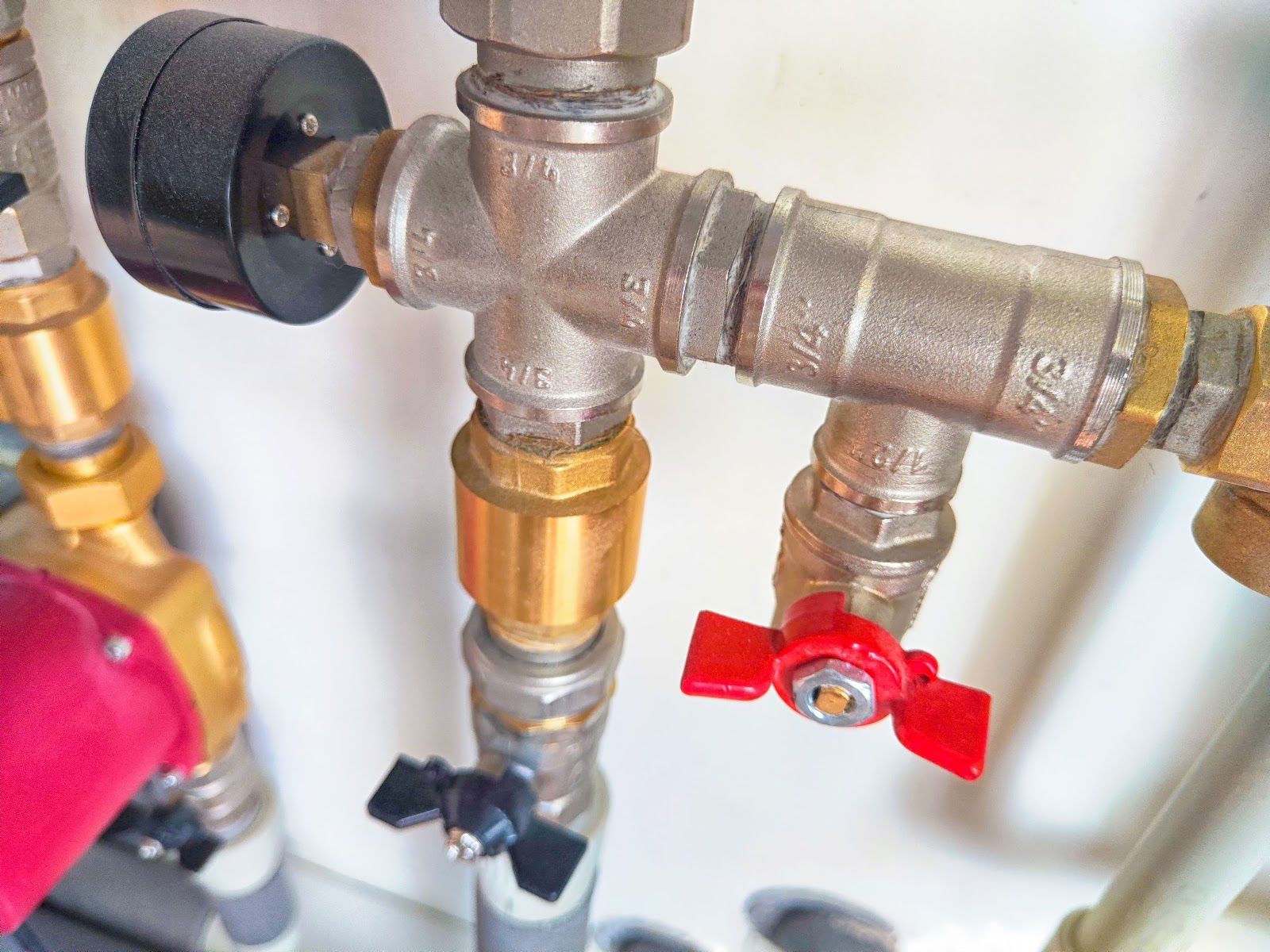
• Check values and venting: Protect backflow and prevent airlocks that can damage equipment.
• Professional load assessment: Know your daily water volume and peak usage before buying.
• Secure backups: Consider an alarm or backup pump if you’ve had more than one failure.
Hidden Blockages and System Strain
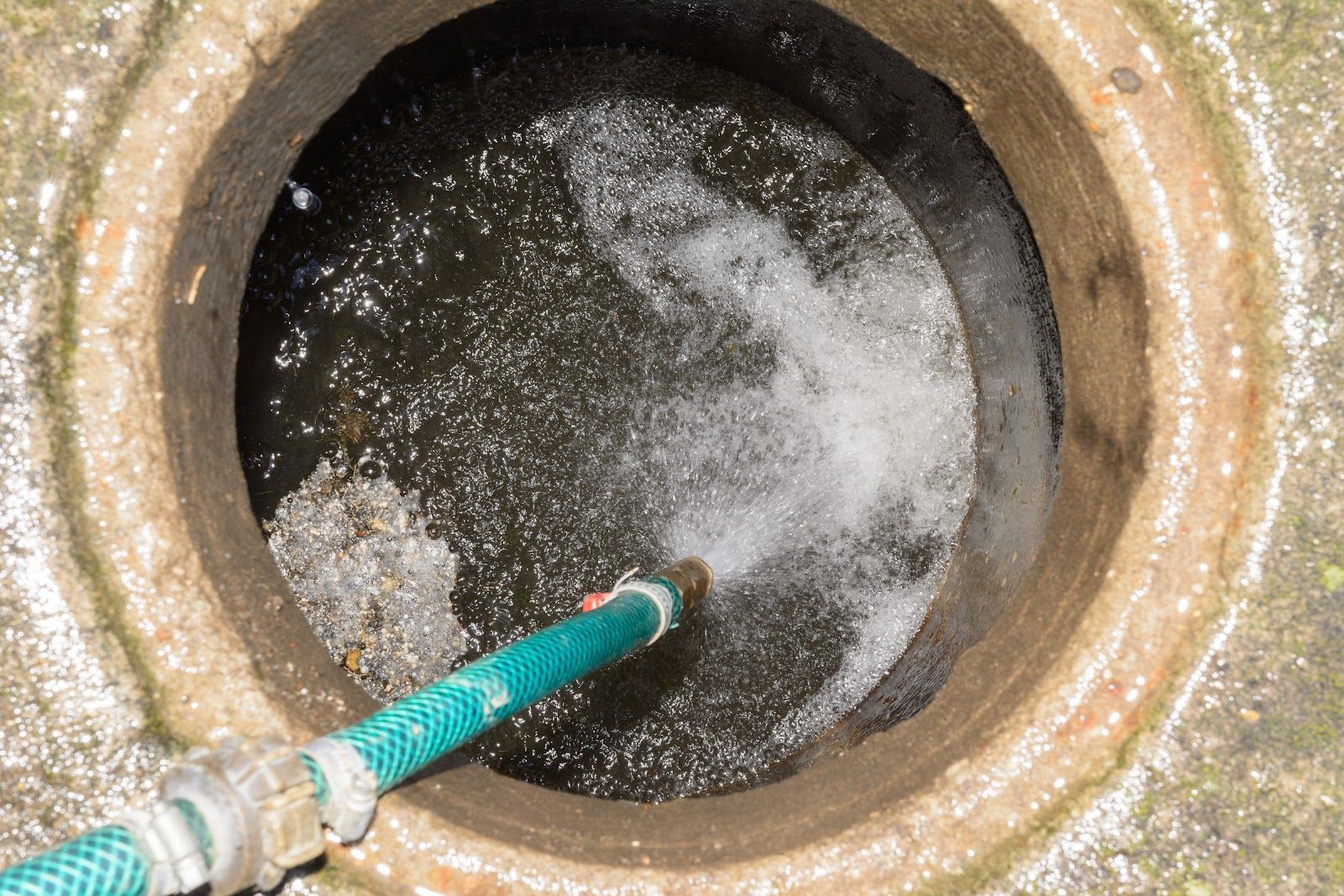
Even with a new or properly sized pump, unseen blockages can keep the cycle of failure going. Grease, paper towels, and debris gradually narrow discharge pipes, forcing your pump to push harder. Built-up scale inside lines does the same thing. Clogs may form just out of sight—leading homeowners to blame the pump rather than the piping.
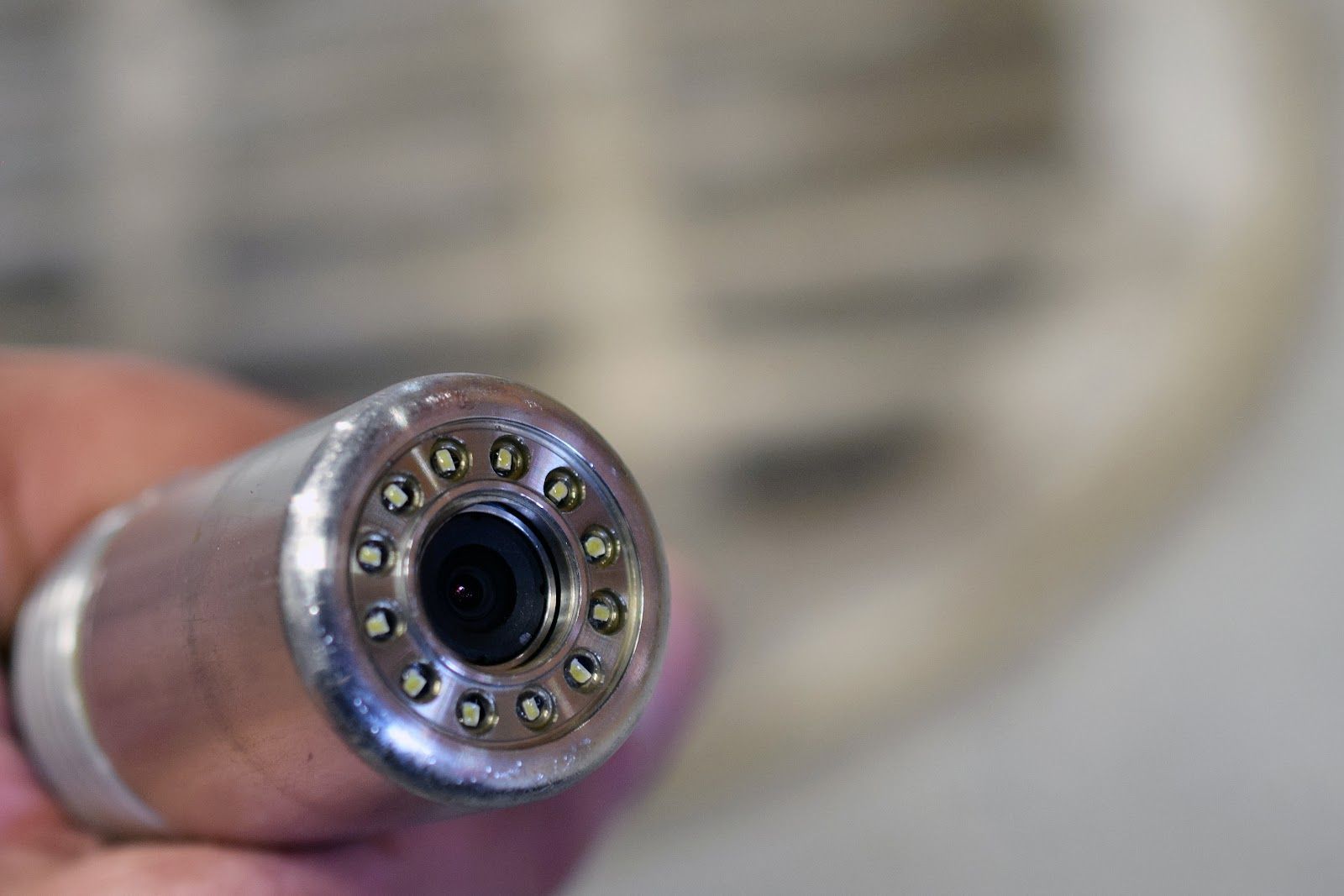
• Prioritize regular inspections: Video pipe inspections can catch root or clog problems early.
• Avoid improper disposal: Remind everyone in the home what shouldn’t go down basement drains.
→ From a professional standpoint: Regular cleaning and periodic camera inspections are key to avoiding mysterious repeat failures.
Why DIY Fixes Often Backfire
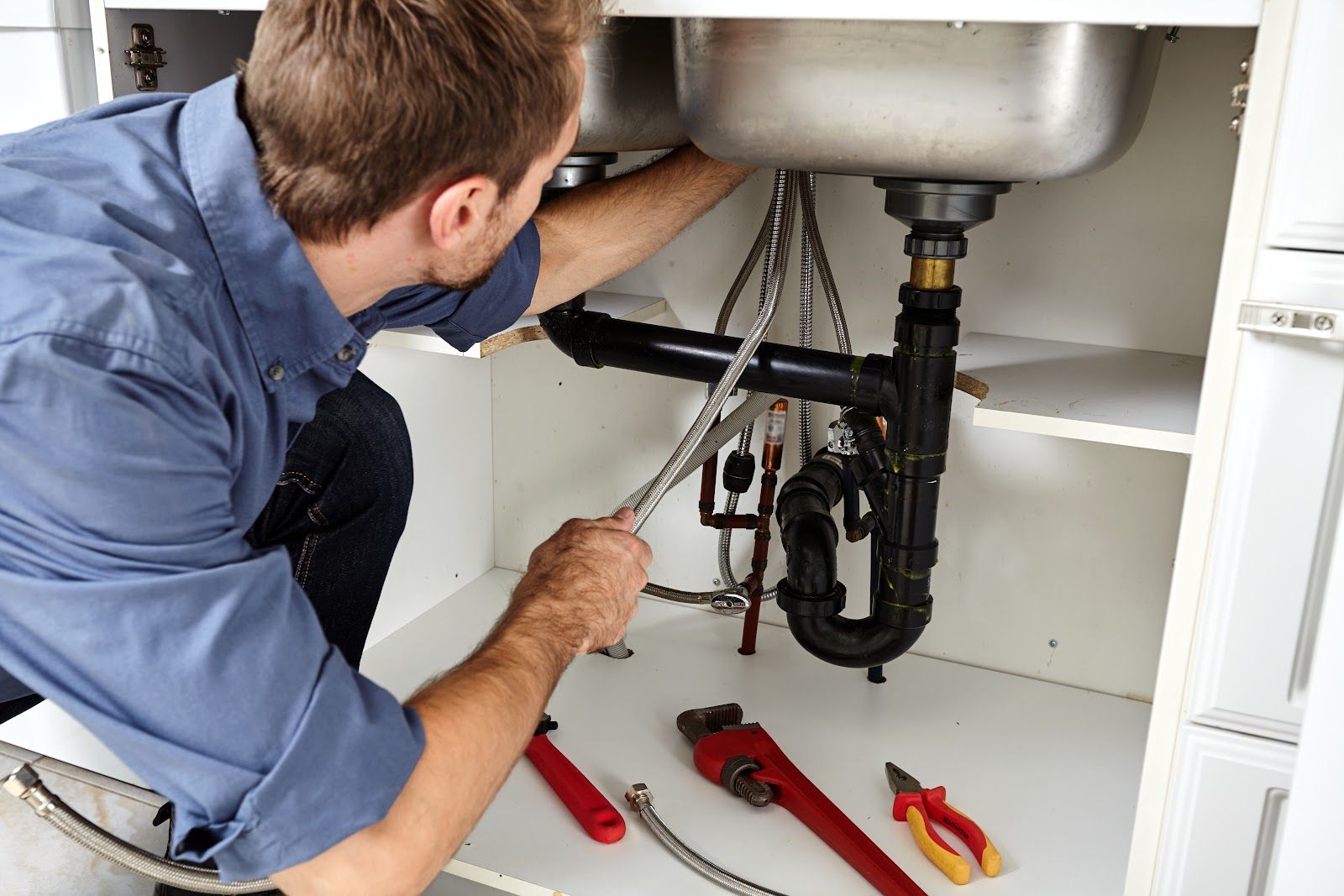
It’s normal for homeowners to swap out a failing ejector pump, hoping for an easy fix. Unfortunately, this rarely solves the root problem. Without professional assessment, deeper issues with venting, wiring, or discharge lines remain untouched. Worse, over-the-counter pumps are frequently mismatched, leading to another round of failure.
• DIY repairs miss hidden system flaws: Professional analysis is needed for persistent issues.
• Repeated swaps mean mounting costs: Labor, parts, and resulting water damage add up fast.
• Shortcuts risk code violations: Local codes matter—Edison requires plumbing work to meet strict standards for safety and sanitation.
→ A quick tip to remember: When you’ve replaced a pump more than once, stop and call in a pro with experience in local basement plumbing.
Steps to Break the Failure Cycle
No homeowner wants to deal with repeated failures or surprise basement floods. The long-term fix is always proper diagnosis and professional care:
• Hire a pro for full system assessment: Understand usage, venting, discharge path, and pipe condition.
• Match pump specs to real load: Get written documentation on flow rate and solid-handling capacity.
• Schedule preventive checks: Clean the sump pit, inspect for blockages, and test float switches annually.
If you’re in Edison and tired of patching up your ejector pump, Plumb-Rite Plumbing can get to the bottom of the problem—not just treat the symptoms.
When It’s Time to Call
Knowing the real causes behind repeated ejector pump trouble helps you protect your basement and save money in the long run. Choose a team that knows Edison’s distinct plumbing needs—Plumb-Rite Plumbing is ready to help you break the cycle with real solutions. Call us for an evaluation before you’re faced with another unexpected backup.
Share This Blog