How Effective is Hydro-Jetting for Stubborn Drain Blockages?
Many Edison homeowners hear about hydro-jetting as a solution for stubborn clogs, but do not know what to expect when the process begins. Plumb-Rite Plumbing gets frequent calls from clients who have tried every option, only to face recurring backups or sluggish drainage. Understanding the true impact of hydro-jetting helps set clear expectations before you commit to this drain cleaning approach.
The reality is, hydro-jetting is powerful, but it’s not a cure-all for every scenario. By digging into how it really works and when it delivers the best results, you’ll be better prepared to make informed choices for your Edison home’s drains.
What We Cover:
- How Hydro-Jetting Actually Works
- What Results Should You Expect for Stubborn Clogs?
- Can Hydro-Jetting Cause Damage to Old Pipes?
- Is Hydro-Jetting Right for Every Drain Situation?
- Frequently Asked Questions
- Choose the Right Solution with Plumb-Rite
How Hydro-Jetting Actually Works
Hydro-jetting uses high-pressure water streams to clear away years of scale, grease, roots, and other tough blockages stuck inside pipes. Plumb-Rite Plumbing prefers this method in Edison for drains that have collected lots of buildup over time, since mechanical snaking or chemicals can’t always reach or fully clean sticky debris.
What sets hydro-jetting apart is its thoroughness — the pressurized water doesn’t just poke holes through clogs; it scrubs pipe walls clean and flushes everything away. The technician controls the water pressure to fit the pipe material and blockage type, making it as safe as possible for Edison’s variety of homes.
→ A quick tip to remember: The right technician will always inspect pipes first to ensure they can handle the force of hydro-jetting.
What Results Should You Expect for Stubborn Clogs?
When hydro-jetting is used correctly, results are often immediate: Water drains smoothly, odors disappear, and the system is restored to like-new condition. Plumb-Rite Plumbing has seen hydro-jetting in Edison homes break up stubborn grease that has resisted other cleaning attempts, as well as free dense roots from older main lines.
However, it’s important not to expect miracles in a single visit if pipes are seriously deteriorated or if the blockage is caused by structural failures (such as collapsed sections). In those cases, hydro-jetting offers short-term relief, but a long-term repair plan may also be required.
→ Hydro-jetting is most effective as part of a broader maintenance or diagnostic plan — not just a last resort for emergencies.
Can Hydro-Jetting Cause Damage to Old Pipes?
This is a concern for many clients and a fair one: Pressurized water and older pipes can be a risky combination. In Edison, many homes feature aging cast iron or corroded metal pipes that need careful assessment before any aggressive cleaning.
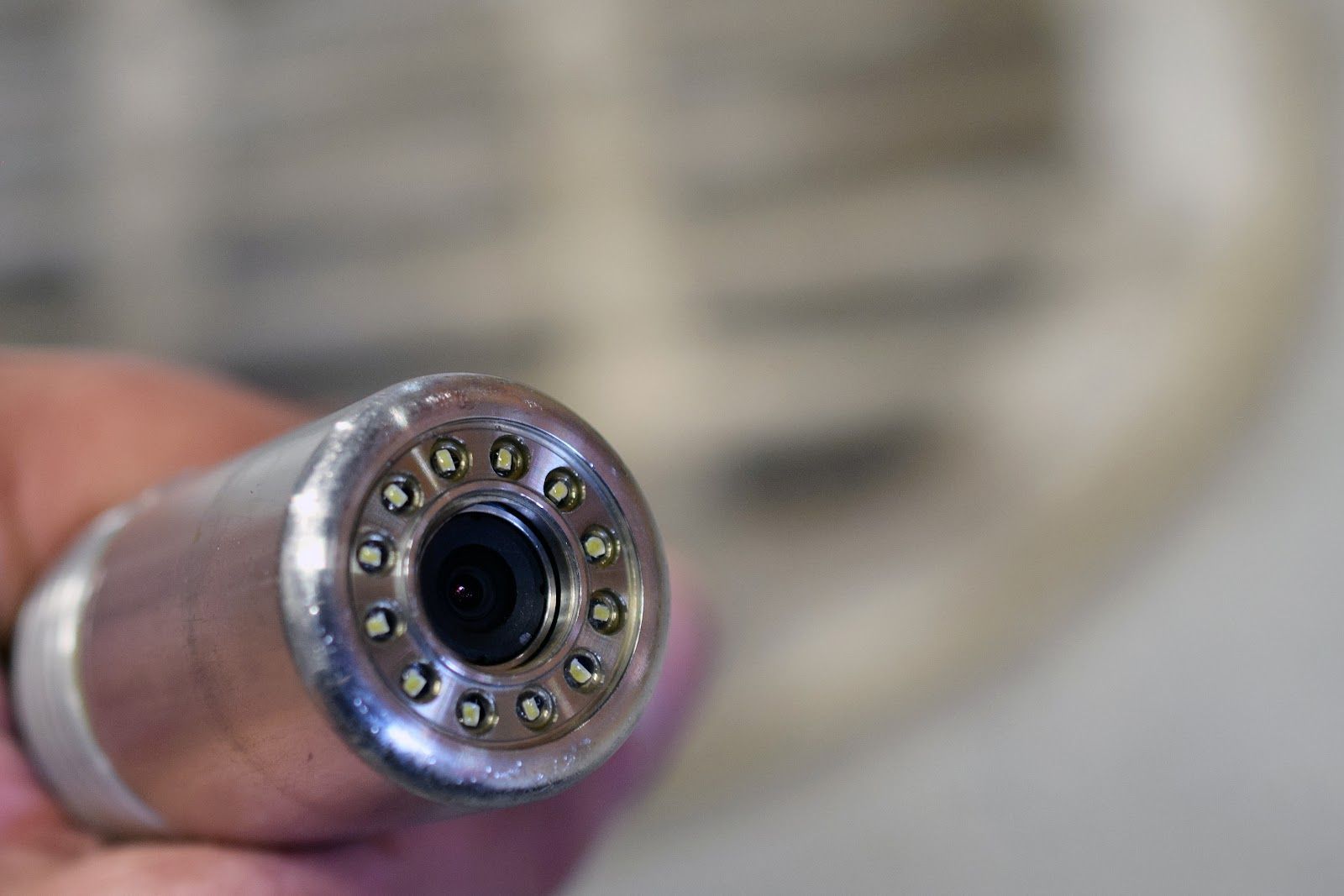
Plumb-Rite Plumbing always conducts thorough camera inspections and pressure tests before recommending hydro-jetting, adjusting the technique to minimize risk. If pipes show signs of advanced wear, alternative cleaning or targeted pipe repair may be safer and more cost-effective.
→ Avoid “one-size-fits-all” drain cleaning offers if you have an older plumbing system — it pays to work with experienced local pros.
Is Hydro-Jetting Right for Every Drain Situation?
The truth is, hydro-jetting is not a catch-all method. It’s highly effective for grease, scale, and some root blockages, but less useful for drains damaged by shifting soil or structural collapse. If recurring issues keep appearing, Plumb-Rite Plumbing often combines hydro-jetting with other diagnostic tools (like video pipe inspection) to treat root causes, not just symptoms.
For homes in Edison, the choice to use hydro-jetting comes down to the exact issue, pipe material, and past repair history — all factors a seasoned plumber will consider before suggesting the service.
→ For best results, pair hydro-jetting with regular drain checks to catch potential problems early.
Frequently Asked Questions
Can hydro-jetting damage older pipes?
Hydro-jetting uses powerful water jets, which, if improperly applied, can damage already brittle or corroded pipes. That’s why Plumb-Rite Plumbing checks your system with a camera before using this method in any Edison property, reducing risk and choosing safer cleaning options if needed.
How long do results from hydro-jetting last?
Results can last a year or more in many homes when combined with preventive habits and professional inspections. However, if the root causes — like grease buildup or invasive roots — aren’t addressed, blockages may return sooner. Consistent maintenance is key to extending the cleaning’s effects.
Is hydro-jetting safe for all drains?
Hydro-jetting is generally safe for most modern residential drains and commercial systems, provided the pipes are in good structural condition. However, on older Edison properties with original cast iron or thin-walled PVC, extra caution is required. Plumb-Rite Plumbing always assesses pipe integrity before recommending high-pressure cleaning, selecting lower settings or alternate methods if there is any doubt about pipe safety.
Choose the Right Solution with Plumb-Rite
Knowing what hydro-jetting can and cannot do puts you ahead of recurring drain problems in Edison. A careful approach with proven techniques is the surest way to clear stubborn blockages without putting your plumbing system at unnecessary risk. If you’re ready for honest answers and expert service, the team at Plumb-Rite Plumbing is here to help – just ask for a tailored solution specific to your pipes and drain challenges.
Share This Blog