Sump Pumps in Winter: Prevent Basement Flooding From Snowmelt and Storms
January in New Jersey can swing from deep freezes to sudden thaws, and that freeze–thaw cycle is tough on basements. When snowmelt and nor’easter rain arrive back-to-back, the groundwater around your foundation rises quickly. A reliable sump pump—plus a winter-ready discharge line and backup power—can be the difference between a dry basement and costly water damage. Here’s a practical, locally focused guide from Plumb-Rite Plumbing for homeowners in Middlesex, Monmouth, Ocean, Union, and Somerset Counties.
Should my sump pump run in winter?
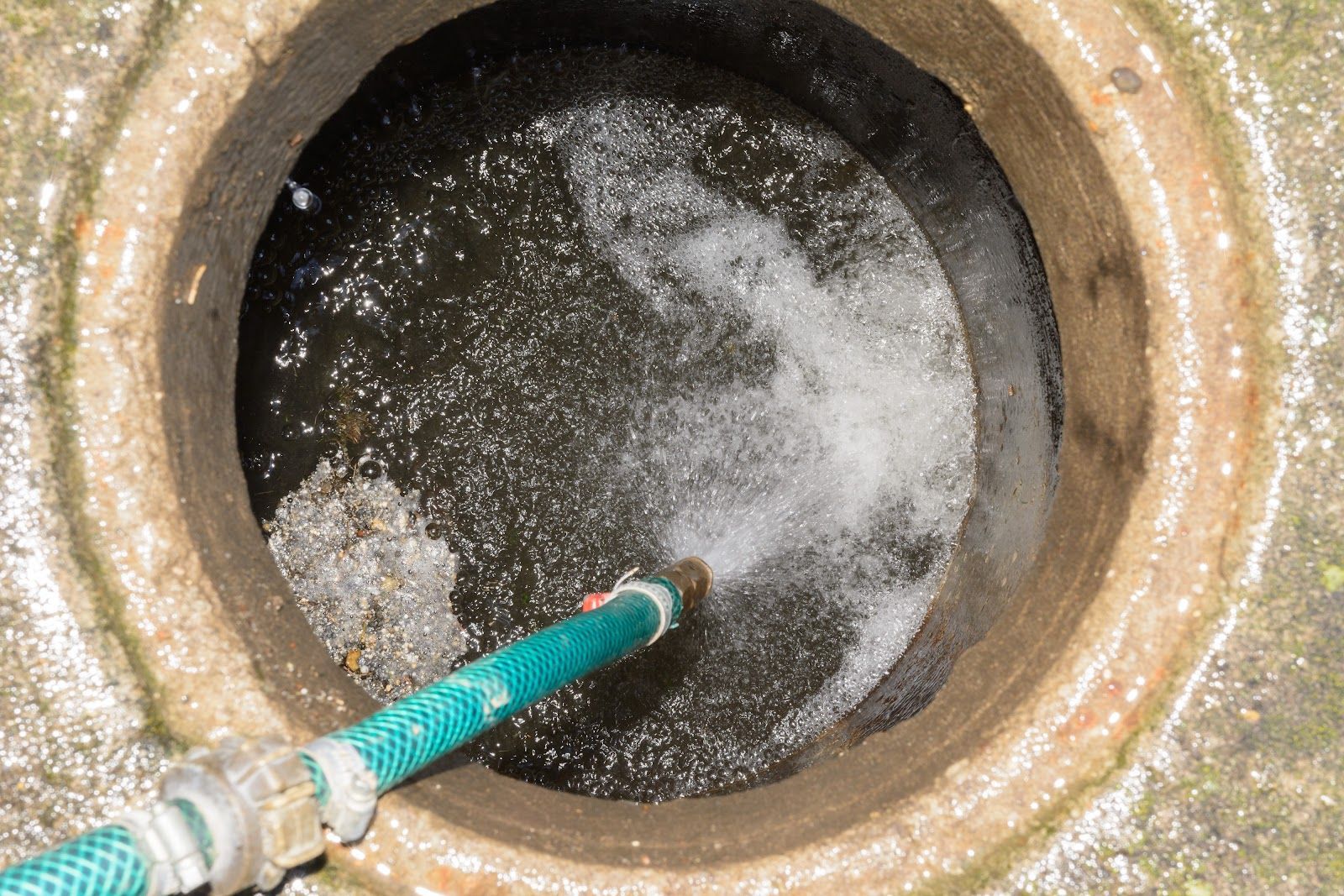
Yes. Even in cold weather, pumps may cycle during thaws, heavy rain, or high tides along the Shore. What matters is that the pump turns on when water enters the pit and discharges it safely away from the foundation. If your pump never runs, confirm the float switch is free and the unit still operates with a test. If it runs constantly, you may have a high water table, a stuck float, or a partially frozen discharge—issues that deserve a professional check.
Why winter causes sudden sump pump failures
Cold snaps can freeze discharge lines and check valves, sending water back to the pit and overworking the pump. Ice dams at the outlet create backpressure. Power outages during snow and wind events shut pumps off completely. Salt, sand, and debris washed from driveways can clog the pit and impeller. In coastal and low-lying New Jersey neighborhoods, high groundwater after storms makes these problems more likely, especially in older homes with shallow discharge lines.
Winter sump pump checklist for New Jersey homes
- Test the pump: Pour a bucket of water into the pit to verify the float switch and pump respond.
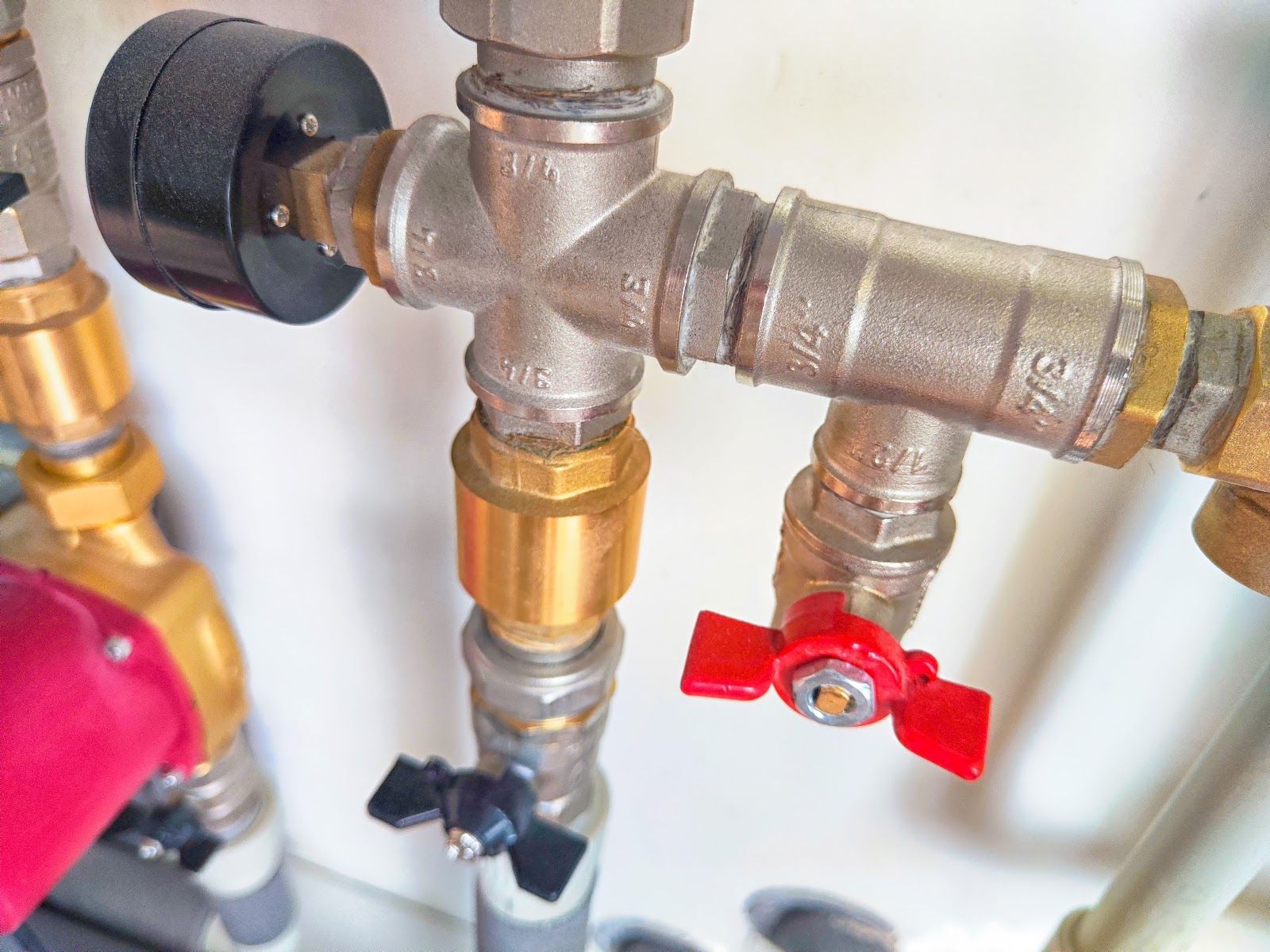
- Inspect the discharge: Ensure the line pitches downward, the check valve points the right way, and the outlet is at least 10 feet from the foundation.
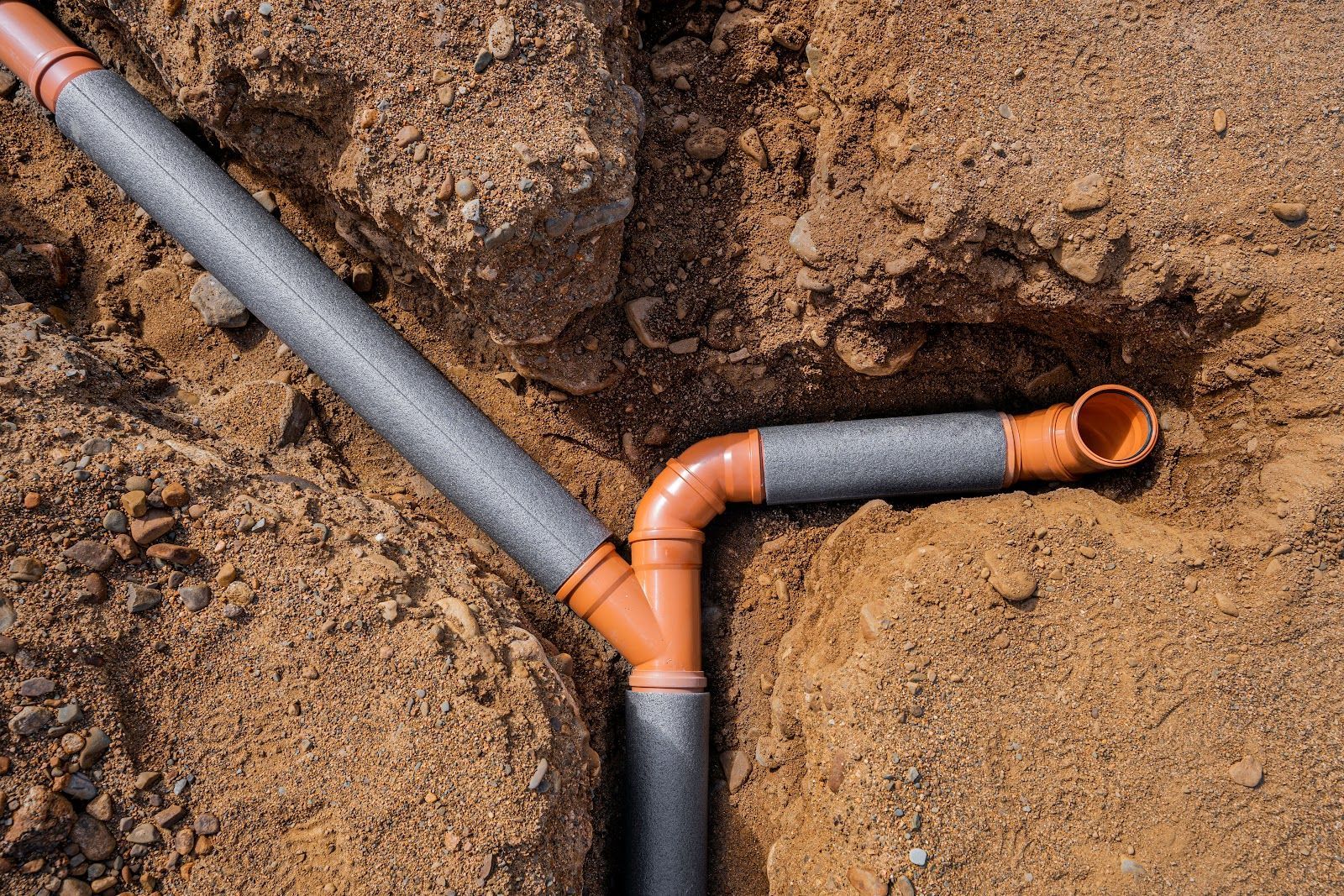
- Prevent freezing: Insulate exposed sections and use a freeze-resistant, smooth-wall discharge with an air gap or dedicated freeze relief fitting.
- Clear debris: Remove silt, gravel, and leaves from the pit; check the impeller for obstructions.
- Confirm power and GFCI: Make sure the pump is on a dedicated circuit; reset a tripped GFCI.
- Add a backup: Install a battery backup or water-powered backup to pump during outages.
- Install an alarm: An audible or Wi-Fi sump alarm can alert you to high water before damage occurs.
How do I keep my sump pump discharge from freezing?
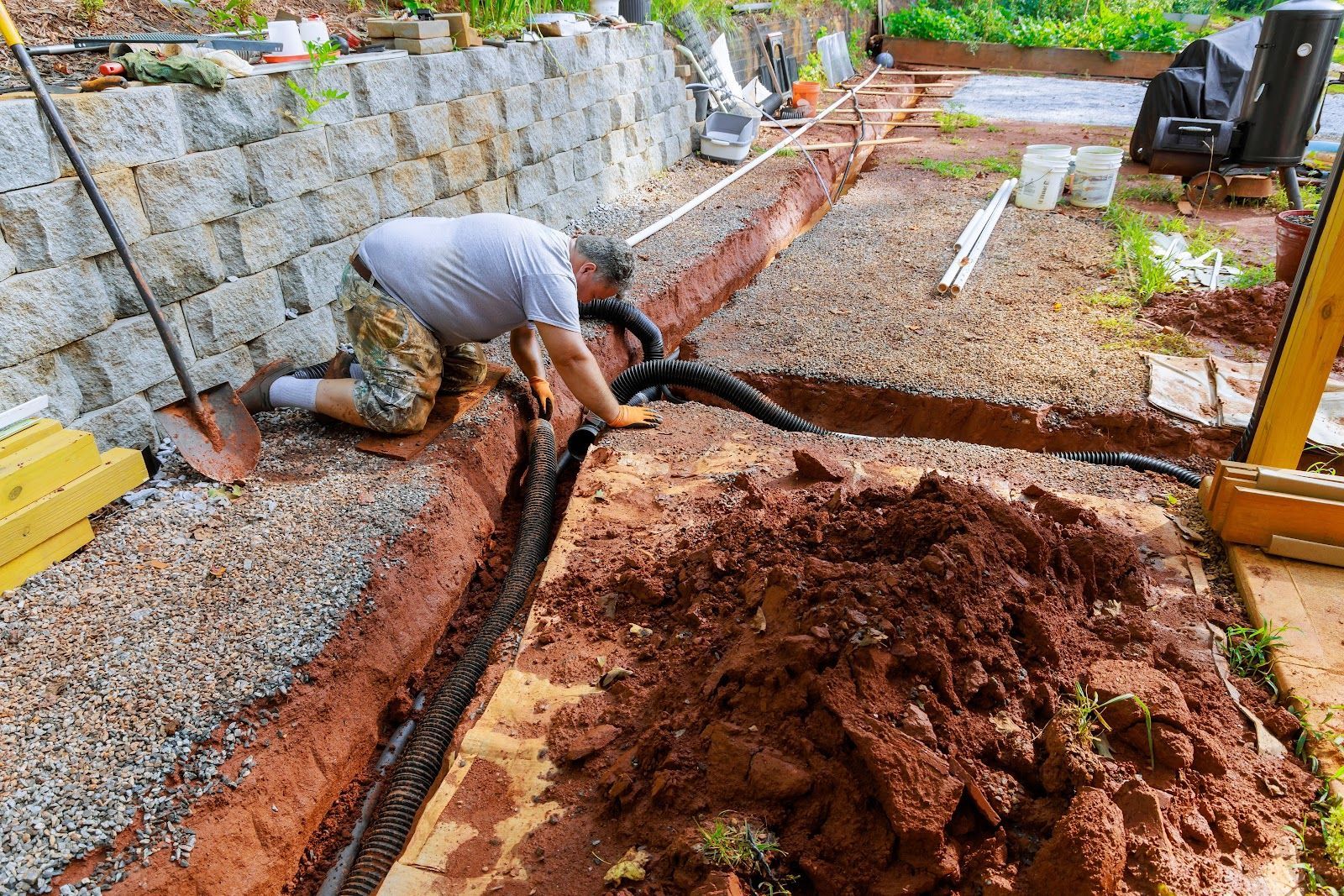
Slope the discharge line to drain completely when the pump stops, insulate exposed sections, and avoid long horizontal runs outside. Use a check valve close to the pump and add a freeze relief or secondary outlet that opens if ice blocks the primary termination. Keep the exterior termination elevated above snow level and free of mulch or landscaping obstructions. If freezing persists, Plumb-Rite can reroute or upsize the discharge and add a compatible cold-weather fitting.
When to consider a sewer ejector pump
Basement bathrooms and laundry below the main sewer line rely on sewer ejector pumps, which can also be stressed during winter gatherings. If you notice gurgling, slow drains, or alarms from the pit, stop water use and call for service. Plumb-Rite Plumbing repairs sewer ejector pumps, checks venting, and ensures check valves and basins are sized and sealed correctly to prevent odors and overflows.
Professional maintenance that prevents flooding
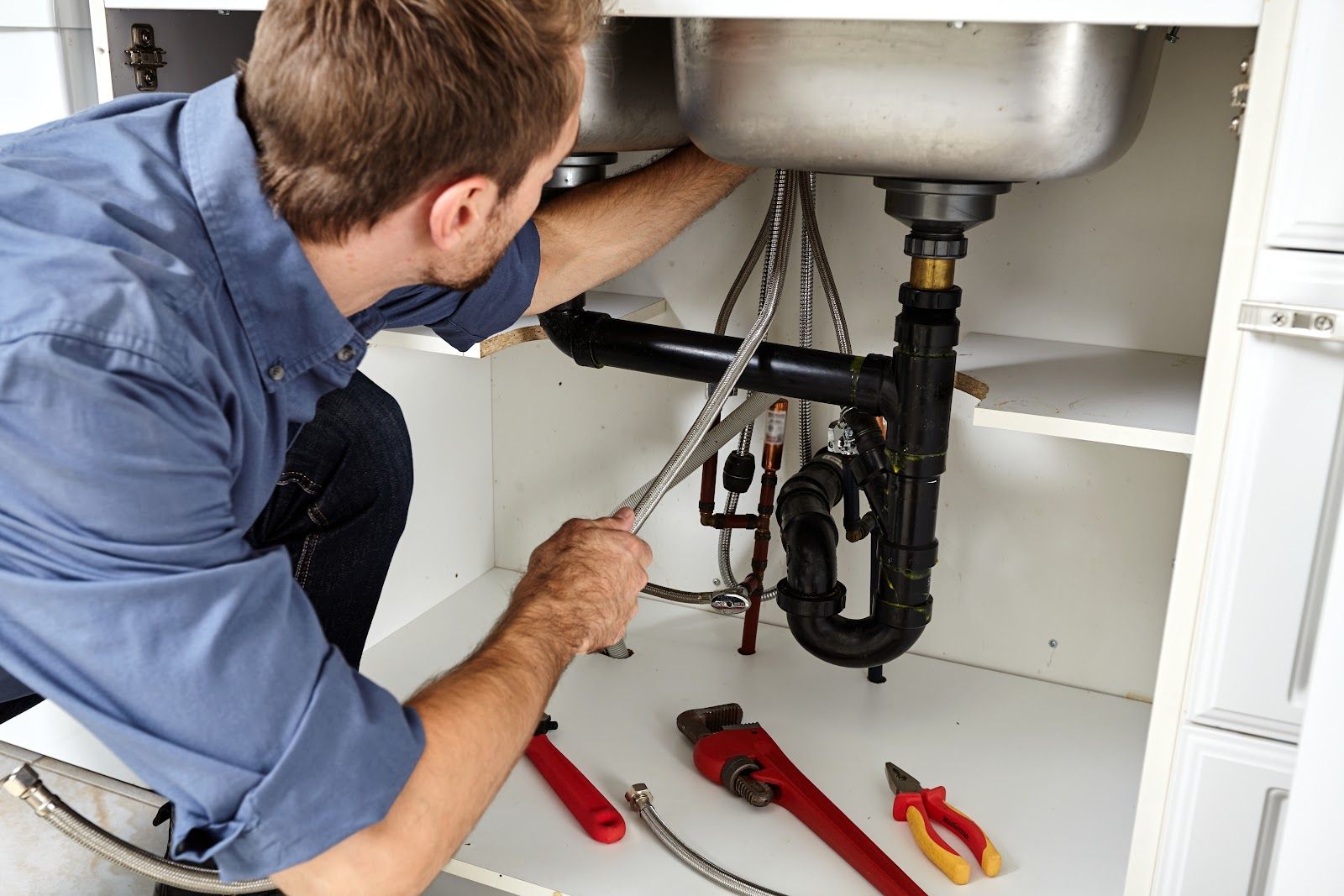
Plumb-Rite Plumbing provides comprehensive sump pump and pits service, including pump testing, float switch replacement, check valve installs, discharge reroutes, and battery or water-powered backup systems. Our team also inspects for foundation drain issues, confirms proper pit sizing, and tests alarm panels. If you have recurring water in the basement, we can evaluate downspouts, grading, and cross-connected drains that send roof water into the sump. For storm-heavy weeks, we help homeowners set up redundancy with dual pumps for peace of mind.
Signs it’s time to call a New Jersey sump pump pro
- Pump runs but water recirculates or returns to the pit
- Frequent short-cycling or a pump that never turns off
- Tripped breakers, GFCI resets, or a burning odor
- Visible ice or bulging in the exterior discharge line
- High-water alarms, odors, or sewage in an ejector pit
- Repeated flooding despite recent pump replacement
Protect your basement before the next thaw
A properly installed sump pump with a cold-weather discharge and reliable backup keeps basements dry during New Jersey’s snowmelt and storm season. For expert testing, repairs, battery backups, sewer ejector pump service, or a new sump pump installation in Middlesex, Monmouth, Ocean, Union, or Somerset County, schedule with Plumb-Rite Plumbing at https://www.plumb-rite.com/. Our family-owned team has safeguarded local homes since 1983—so you can weather winter with confidence.
Share This Blog