Hydro Jetting vs Snaking: Best Fix for Stubborn Holiday Clogs Explained
December entertaining puts extra pressure on kitchen sinks, toilets, and sewer lines. Grease from cooking, more showers, and nonstop dishwashing create tough blockages—especially in older New Jersey homes across Middlesex, Monmouth, Ocean, Union, and Somerset Counties. If you’re weighing hydro jetting vs snaking for drain cleaning, here’s how to choose the right fix and prevent repeat clogs, straight from the Plumb-Rite Plumbing team.
PAA: Is hydro jetting better than snaking?
It depends on the clog. Snaking is fast and effective for soft stoppages close to the fixture. Hydro jetting uses high-pressure water to scour grease, scale, and roots from the pipe walls—ideal for heavy, recurring, or long-run blockages in the main sewer line. Most NJ homes benefit from a “diagnose first” approach with a video pipe inspection, then the least invasive method that fully restores flow and protects the pipe.
When snaking shines for holiday clogs
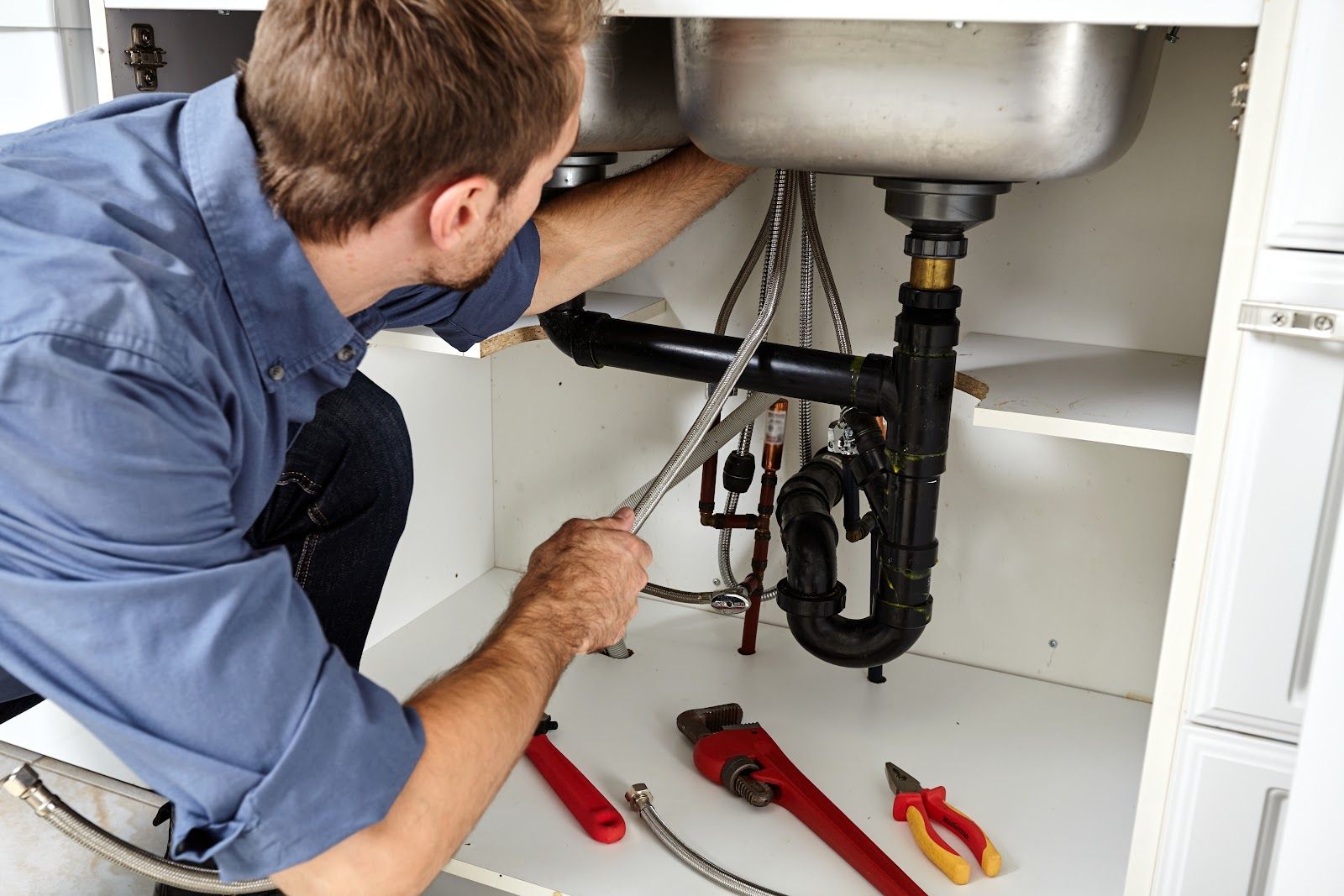
A plumbing snake (or auger) breaks through localized clogs and restores flow quickly. It’s a cost-effective first step for many household backups caused by paper, food scraps, or minor buildup near the P-trap or within a short run of pipe.
Choose snaking when:
- The clog is near a fixture (toilet, bathroom sink, or kitchen sink)
- You’ve had no history of sewer main backups
- The blockage is recent and likely from wipes, paper, or food debris
- You need a quick, low-cost fix before guests arrive
Limitations: Snaking often bores a hole through the blockage but doesn’t clean pipe walls. Grease and scale can remain, making the line re-clog—especially after heavy holiday cooking. It’s also less effective against tree roots common in older NJ neighborhoods.
Why hydro jetting clears what snaking leaves behind
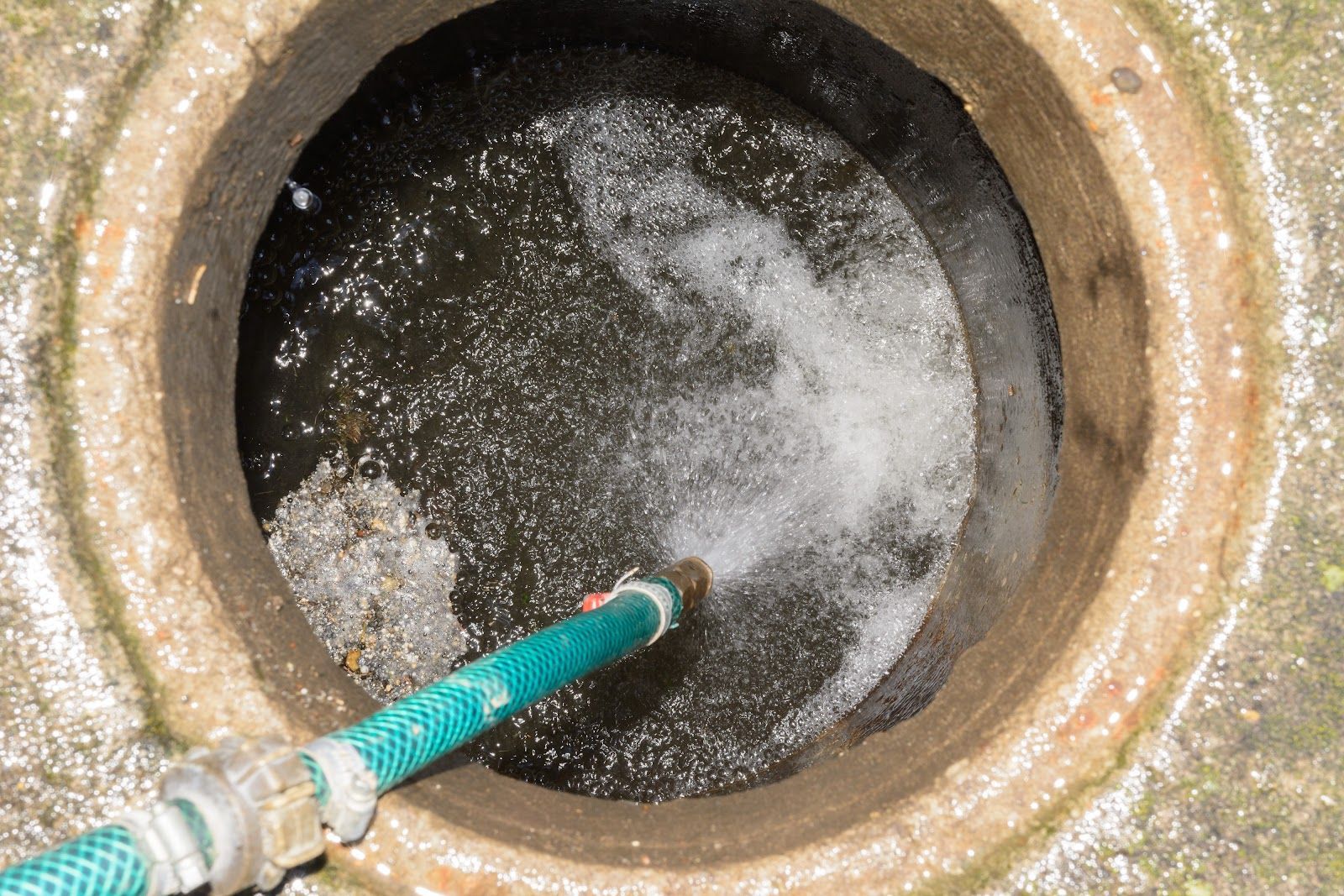
Hydro jetting propels pressurized water through specialized nozzles to cut grease, roots, and scale, flushing debris to the sewer. It cleans the full pipe diameter, not just a path through the clog. For holiday-season issues tied to fats, oils, and gravy residue, jetting is an efficient, chemical-free solution.
Choose hydro jetting when:
- Multiple fixtures back up or you have recurring slow drains
- Kitchen lines are coated with grease from seasonal cooking
- You notice gurgling or sewage odors pointing to a main line issue
- Video pipe inspection shows roots, heavy scale, or long-run buildup
- You want a longer-lasting clean and fewer callbacks
Safety note: Performed by licensed pros, hydro jetting is safe for sound PVC, ABS, and cast iron lines. Plumb-Rite sets PSI by pipe size and material, uses the correct nozzle, and always inspects first. We avoid jetting collapsed or severely deteriorated sections and recommend sewer pipe repairs when needed.
How Plumb-Rite Plumbing diagnoses NJ drain problems
- Listen and locate: We evaluate symptoms (gurgling, overflow, slow drainage) and identify affected fixtures.
- Access cleanouts: Exterior or basement cleanouts allow safe, targeted clearing of the sewer main.
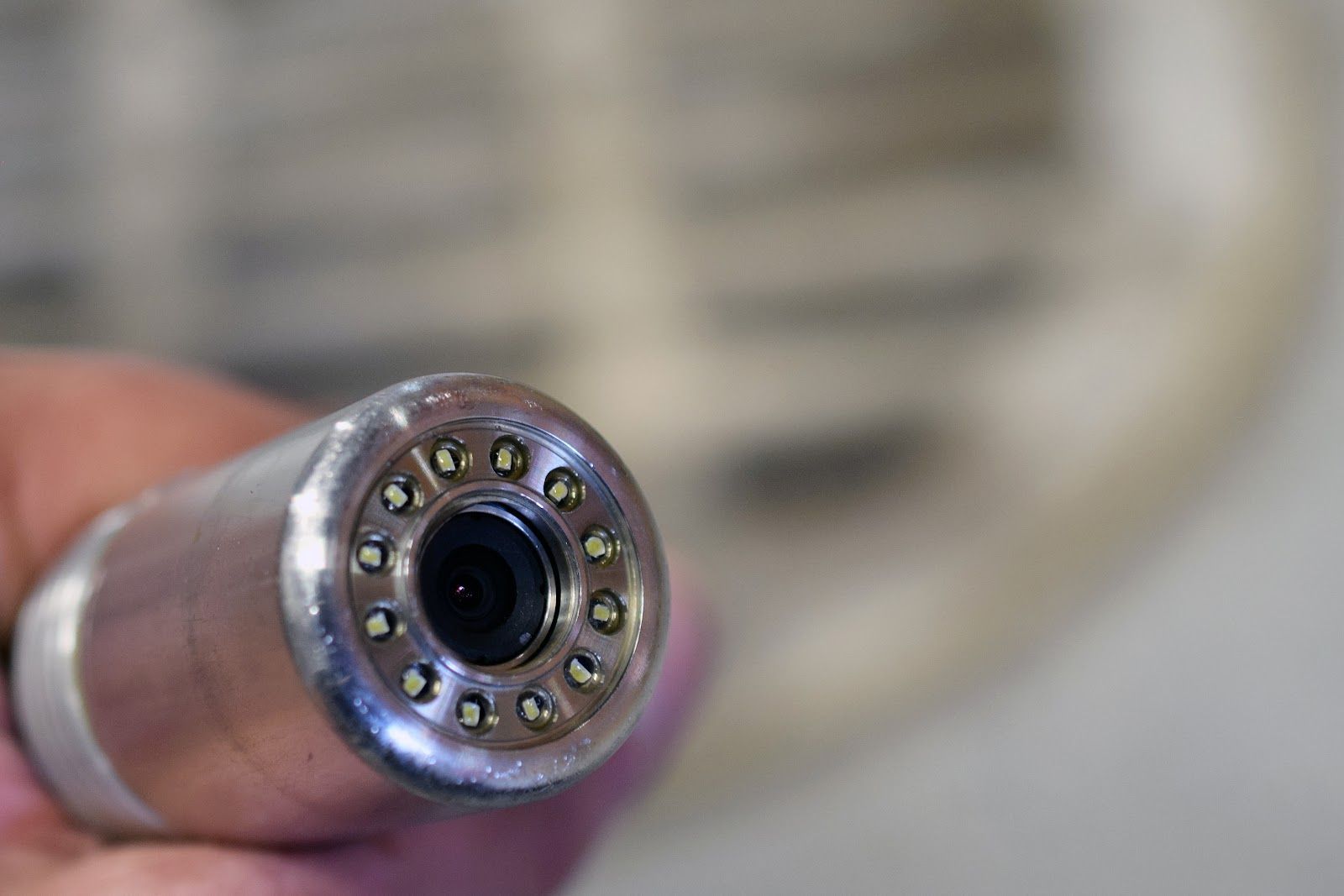
- Video pipe inspection: We verify the cause—grease, roots, scale, offsets, or foreign objects—before selecting snaking or hydro jetting.
- Clear and confirm: After cleaning, we re-scope to confirm a full-diameter flow and check joints, slope, and vent lines.
- Plan for prevention: If roots or deteriorating clay pipe appear, we outline maintenance or repair options to prevent future emergencies.
Will hydro jetting damage my pipes?
This is a trending concern, and the answer is no—when done properly. Our technicians calibrate pressure to your line, control nozzle direction, and avoid compromised segments identified via camera. For fragile or collapsed pipes, we recommend targeted repairs or replacement. Proper jetting is gentler than many chemical drain cleaners and far more effective at removing stubborn FOG (fats, oils, grease) deposits.
Keep drains clear after the holidays
- Never pour grease down the sink—cool, can, and trash it
- Use basket strainers and scrape plates before washing
- Avoid “flushable” wipes; they bind in trapways and mains
- Schedule preventive drain cleaning for high-use kitchens
- Trim problem roots and consider periodic jetting if trees line your sewer lateral
Call the NJ drain cleaning experts before guests arrive
Whether a simple snaking will do or hydro jetting is the best fix, Plumb-Rite Plumbing will get your drains flowing fast. We provide emergency plumbing, video pipe inspection, drain cleaning, and sewer main solutions across Middlesex, Monmouth, Ocean, Union, and Somerset Counties.
Schedule service at
https://www.plumb-rite.com/ for prompt, professional help from a family-owned New Jersey team trusted since 1983. Enjoy the holiday—without the backup.
Share This Blog